Why Is My Espresso Sour? How to Fix Sour Shots for Good
First: confirm it’s actually sour (not bitter)
Beginners mix these up constantly, and the fixes are opposites — so get this right.
- Sour = sharp, tangy, almost citrusy or vinegar-like. It hits the sides of your tongue and makes you pucker. The shot often tastes thin and watery too.
- Bitter = harsh, dry, ashy, like over-steeped tea or burnt toast. It coats the back of your tongue.
If you’re not sure, that’s fine — fix the sour first, because under-extraction is the more common beginner problem by a wide margin.
The baseline: what a balanced shot looks like
Before changing anything, know your target. A classic starting recipe:
- Dose: 18g of coffee in
- Yield: 36g of espresso out (a 1:2 ratio)
- Time: 25–30 seconds from pump start
If your shot ran in 15 seconds and tastes like lemon juice, you’re under-extracted. Every fix below pushes extraction higher.
Fix 1: Grind finer (this fixes it 70% of the time)
This is the fix. Finer grounds create more resistance, slow the water down, and increase contact time — which means more extraction.
Do this: Move your grinder 1–2 steps finer (or one small notch on a stepless grinder), pull another shot, taste. Repeat until the sourness fades and sweetness appears. Then stop — going too far lands you in bitter territory.
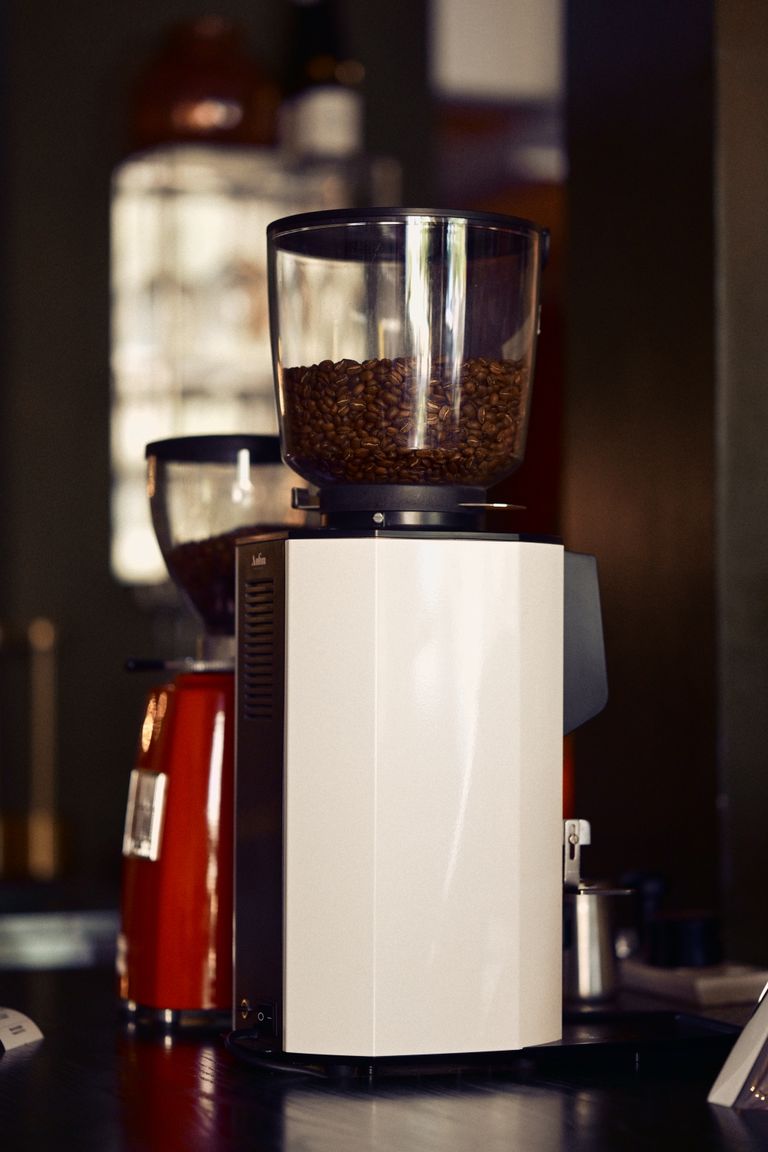
If your grinder is already at its finest setting and shots still run fast, your grinder can’t grind fine enough for espresso. This is the classic symptom of a grinder that’s not espresso-capable. The honest fix is a real espresso grinder — see our grinder pairing guides.
Fix 2: Stretch your ratio
If grinding finer isn’t enough (or your grinder is maxed out), pull a longer shot. More water through the puck = more extraction.
Do this: Keep your 18g dose, but aim for 40–45g out instead of 36g (a 1:2.2 to 1:2.5 ratio). This “lungo-style” shot will taste sweeter and rounder. It’s a legitimate technique, not a hack — many light-roast espressos are best at 1:2.5.
Fix 3: Raise your brew temperature
Cooler water extracts less. If your machine lets you adjust temperature, bump it up.
Do this: Target 93–94°C (200–201°F). On a Breville/Sage machine, that’s usually +2°F over default. On a Gaggia Classic, pull your shot shortly after the brew light cycles. Don’t exceed ~96°C or you’ll swing into bitterness.
Fix 4: Check your beans (age matters more than brand)
Two bean problems cause sourness:
- Too fresh. Coffee degasses CO2 after roasting, and CO2 repels water — causing under-extraction no matter what you do. If your beans are under 5 days off roast, wait. The sweet spot for espresso is 7–14 days off roast.
- Too light for your setup. Very light roasts are dense and hard to extract. If you’re new, start with a medium roast while you learn.
Fix 5: Use enough coffee (and distribute it)
An under-dosed basket leaves headspace that lets water channel around the puck instead of through it.
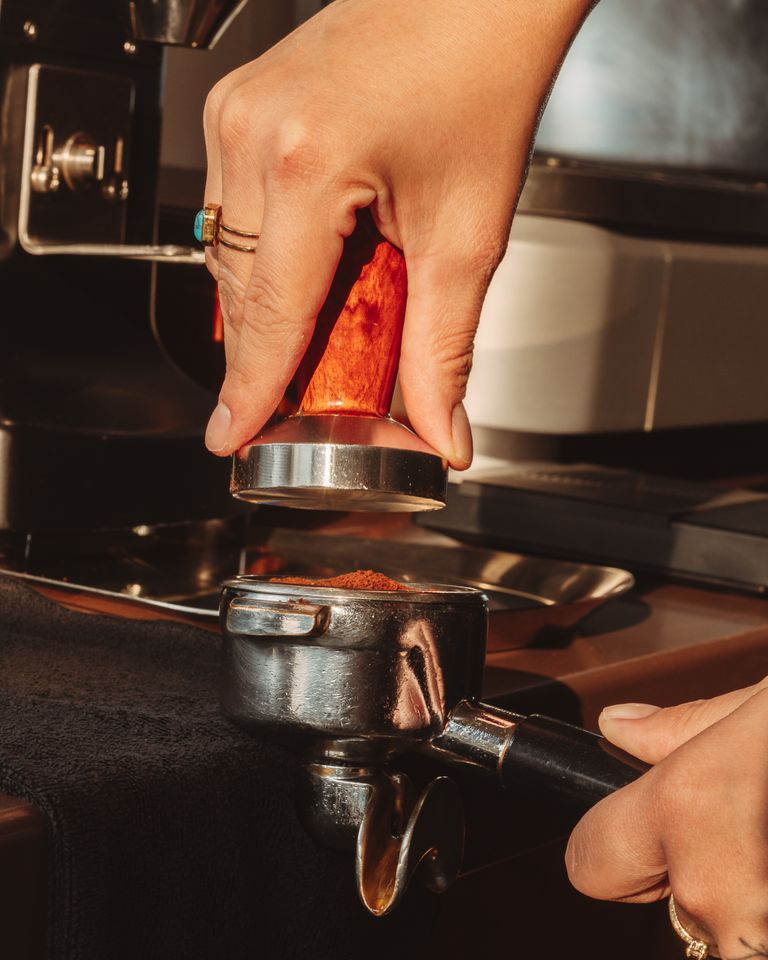
Do this: Dose to your basket’s rated capacity (usually 18g for a double). After dosing, distribute the grounds evenly — a WDT tool (fine needles, ~$15) breaks up clumps and is the single best cheap upgrade for shot consistency. Then tamp level with firm, even pressure. Level matters more than pressure.
Fix 6: Try a longer pre-infusion
Pre-infusion wets the puck gently before full pressure hits, promoting even extraction.
Do this: If your machine has pre-infusion, let it run 5–8 seconds. You’ll see the sourness round out, especially on lighter roasts.
Fix 7: Rule out the water
Extremely soft or distilled water extracts poorly and tastes flat-sour. You want roughly 75–150 ppm TDS. If you’re using distilled or zero-water, that’s likely contributing.
The 5-minute sour-shot checklist
Run through this in order next time you pull a sour shot:
- Grind 1–2 steps finer
- Confirm 18g in / 36–45g out / 25–30 sec
- Temperature at 93–94°C
- Beans 7–14 days off roast, medium roast while learning
- Level tamp after WDT distribution
- Taste — sweet? Stop. Still sour? Repeat step 1.
When sourness won’t go away
If you’ve ground as fine as your grinder goes, stretched the ratio, raised the temp, and the shot is still aggressively sour, you almost certainly have an equipment ceiling — usually the grinder. Our grinder pairing guides match proven grinders to the most popular beginner machines by budget.
Why is my espresso sour all of a sudden?
If shots that used to taste fine turned sour, the usual culprits are: a new bag of beans (different roast level or too fresh), your grinder’s burrs drifting, or seasonal humidity changes. Dial back in with the checklist above — usually one notch finer fixes it.
Is sour espresso bad for you?
No — it’s just unpleasant. Sourness is under-extraction, not spoilage. The shot is safe to drink; it just tastes sharp and thin.
Does adding sugar fix sour espresso?
It masks it, but you’re covering a problem instead of solving it. Fix the extraction and you won’t want the sugar.
Can a pressurized basket fix sour shots?
Pressurized (dual-wall) baskets fake crema and slow the flow, which can reduce sourness — but they also cap your shot quality. They’re training wheels: fine while learning, but the real fix is grind + technique with a non-pressurized basket.