Espresso Grind Size Guide: Starting Settings by Grinder and Machine
“What’s the right grind setting for espresso?” is the wrong question — the right setting depends on your beans, your machine, even the humidity. But you need a starting point, and the internet is full of useless answers like “fine, like table salt.” Here are actual starting settings for the most popular grinders, plus the method to dial in from there.
Important caveat: grinder settings drift with burr wear, alignment, and manufacturing variance. Two identical grinders can differ by several steps. Use these as starting points, then dial in by taste and shot time — never treat a number as gospel.
The target: what “dialed in” looks like
Before settings, know the destination. For a standard double (18g in, 36g out): Ratio: 1:2 (18g coffee → 36g espresso). Time: 25–30 seconds from pump start. Taste: sweet, balanced, no harsh sourness or dry bitterness.
Grind size is your main lever for hitting that time window. Too fast (under ~20s)? Grind finer. Choked or dripping past 35s? Grind coarser. Change one variable at a time, one step at a time.
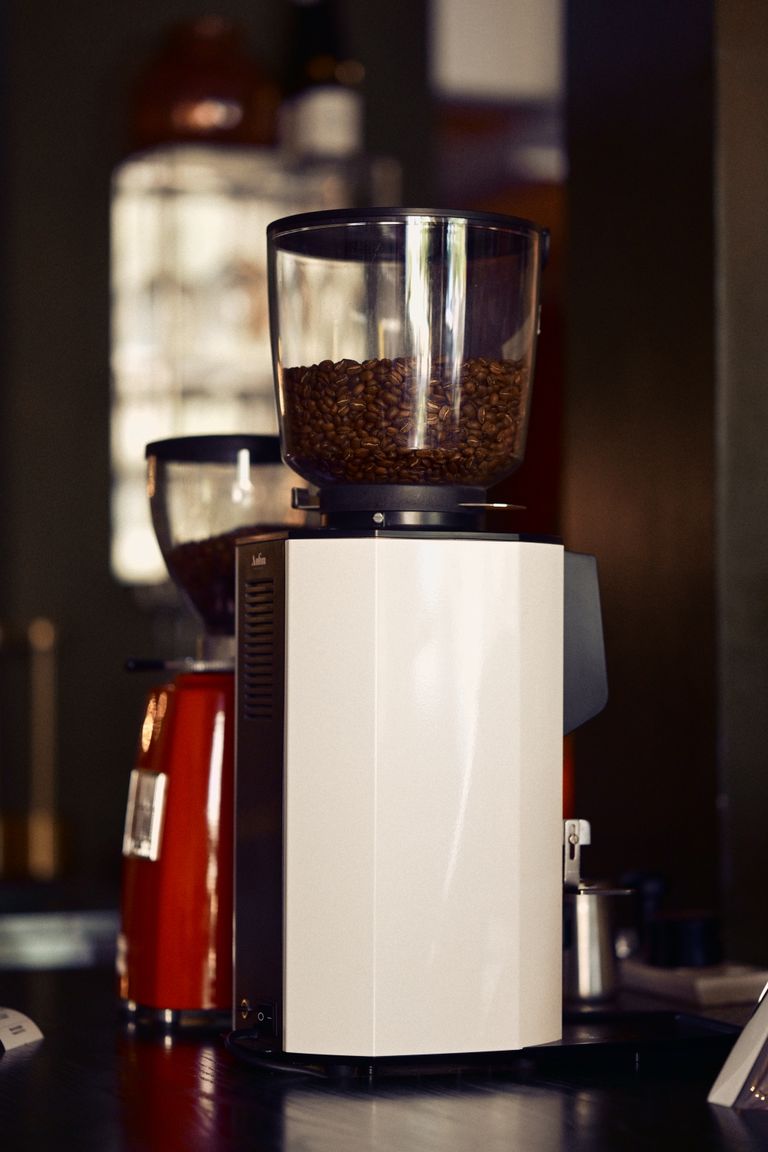
Starting settings by grinder
These assume fresh medium-roast beans, 18g dose, standard machine. Light roasts usually need 1–3 steps finer; dark roasts 1–2 steps coarser.
| Grinder | Espresso range | Start at |
|---|---|---|
| Baratza Encore ESP | 12–15 (espresso range is 1–20) | 14 |
| Baratza Sette 270 | 7–9 macro, E–G micro | 8E |
| Eureka Mignon Specialita / Silenzio / Notte | ~1–2 numbers from zero/chirp point | ~1.5 turns open from burr touch |
| 1Zpresso J-Ultra / K-Ultra | 130–160 clicks from zero | 140 |
| 1Zpresso JX-Pro | 1.4–1.7 | 1.5 |
| KINGrinder K6 | 50–70 clicks from zero | 60 |
| DF64 (stock burrs) | 10–20 on the dial | 15 |
| Niche Zero | 12–18 on the dial | 15 |
| Breville Smart Grinder Pro | 8–12 (espresso range) | 10 |
| Breville Barista Express (built-in) | 5–8, inner burr default | 6 |
| Gaggia MDF / older stepped grinders | Finest or one step up | Often can’t go fine enough — see our grinder guide |
How to dial in (the actual method)
- Set the starting point from the table above. Pull a shot: 18g in, aim for 36g out.
- Time it. 25–30 seconds? You’re close — now taste. Under 20s? Grind one step finer. Over 35s or choked? One step coarser.
- Taste before you chase numbers. In-range time but sour? Grind a touch finer. Bitter/dry? A touch coarser. Time is a guide; taste is the verdict.
- Change ONE thing per shot. Grind, dose, and yield all interact. Move grind only until it’s right.
- New bag = re-dial. Different beans, different roast dates, even the same beans a week later — expect to adjust 1–2 steps. This is normal, not failure.
The mistakes that waste the most coffee
- Changing grind mid-bag for no reason. If shots were good yesterday and bad today, check dose and distribution first — grind rarely drifts overnight.
- Huge jumps. Moving 5+ steps at once overshoots the sweet spot. Small moves, taste each one.
- Ignoring the beans’ age. Coffee 3 days off roast behaves wildly differently from coffee 3 weeks off roast. Very fresh coffee needs a coarser grind and degasses unpredictably — rest it 5–10 days post-roast.
- Dialing in with stale beans. You cannot dial in dead coffee. If the bag’s been open a month, no setting will save it.
Grind size visual reference
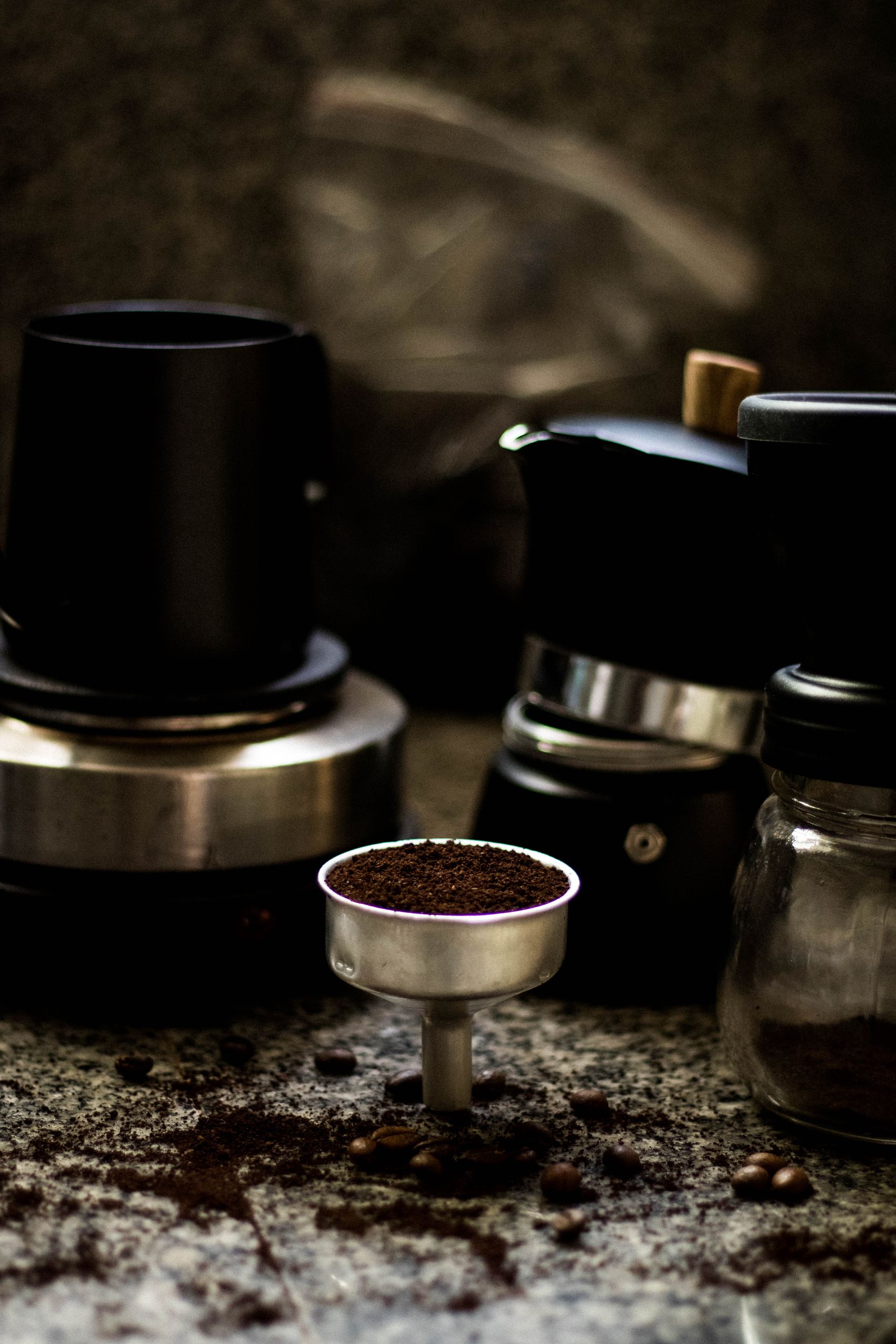
Forget “table salt” — feel is better than sight. Proper espresso grind:
- Feels like fine sand or powder between your fingers, with slight grit.
- Clumps lightly when pinched (static aside).
- Looks like dark, uniform powder — no visible chunks, no shiny boulders.
- If you can see individual chunky particles, you’re too coarse for a non-pressurized basket.
Frequently asked questions
What number should my grinder be on for espresso?
There’s no universal number — it depends on your grinder, beans, and machine. Use the starting points above, then dial in by shot time (25–30s for 1:2) and taste.
Why do I need to change grind settings for different beans?
Bean density, roast level, and age all change how water flows through the puck. Lighter roasts are denser and need finer grinds; darker roasts are more porous and need coarser ones.
Should I adjust grind or dose when dialing in?
Grind first — it’s the finer lever. Keep dose constant (18g) while dialing in, then adjust dose later if you want to fine-tune strength.
My grinder’s finest setting still runs fast — what now?
Your grinder likely can’t grind fine enough for espresso (common with drip-focused grinders). Options: switch to the pressurized basket temporarily, or upgrade — our grinder guide explains what “espresso-capable” means.