Espresso Shot Pulling Too Fast? Here’s What to Change First
What’s actually happening
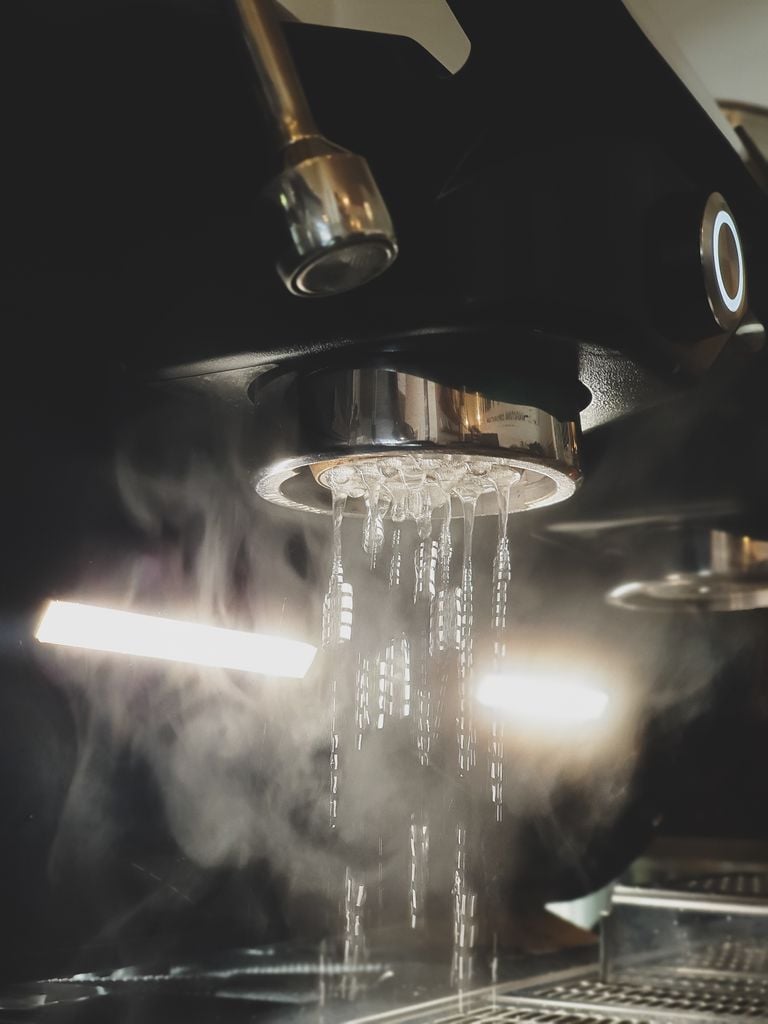
Espresso needs resistance. Fine grounds packed into a puck resist pump pressure, forcing water to percolate slowly. When there’s too little resistance — grind too coarse, too little coffee, bad distribution — water floods through, and you get a fast, under-extracted shot.
Target: 18g in, 36g out, 25–30 seconds.
Fix 1: Grind finer (change this first, always)
Nine times out of ten, a fast shot means the grind is too coarse.
Do this: Go 2–3 steps finer, pull, and time it. Aim to add roughly 5–10 seconds to the shot time. Then fine-tune in 1-step increments until you land in the 25–30 second window. Don’t change anything else at the same time.
Fix 2: Add more coffee (if grinding finer maxed out)
If your grinder is already at its finest setting and the shot still rips through in 18 seconds, add resistance with dose.
Do this: Increase dose by 1g (18g → 19g), keeping everything else the same. Don’t exceed your basket’s capacity. Note: this is a workaround, not a cure — if your grinder can’t go fine enough, that’s the real problem (see Fix 6).
Fix 3: Check your distribution and tamp
A fast shot with visible spritzing or uneven flow isn’t just coarse — it’s channeled.
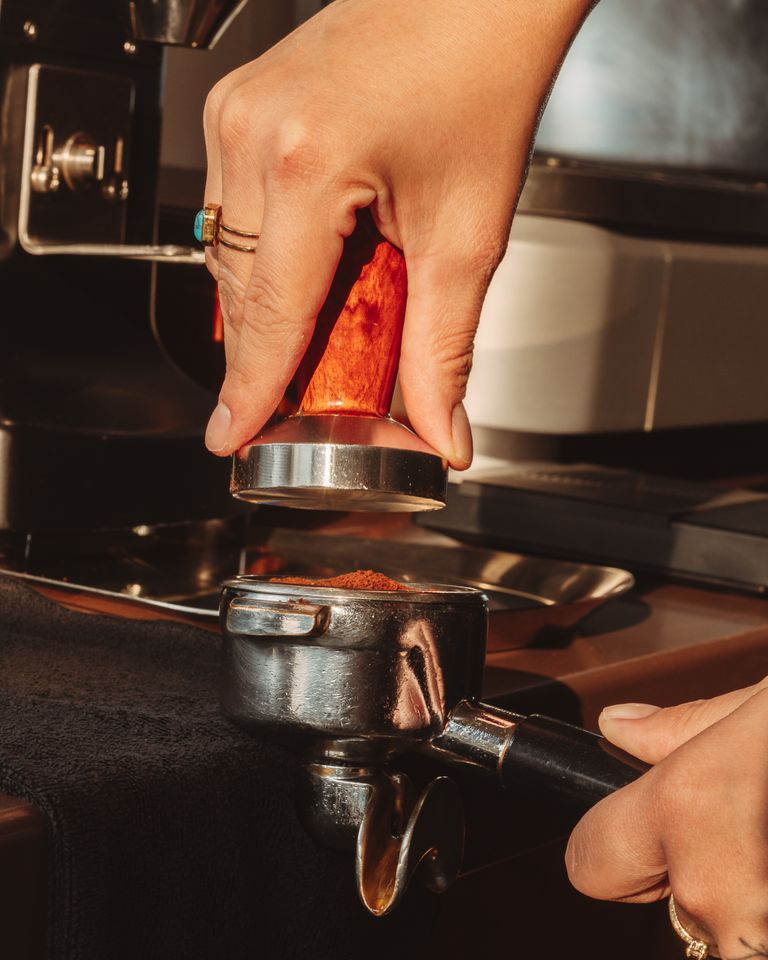
Do this: WDT the grounds to break up clumps, level the bed, and tamp straight. A tilted tamp or clumpy dose can easily cost you 5–10 seconds of shot time.
Fix 4: Make sure you’re not under-dosing
If you’re dosing 15g in a basket rated for 18g, headspace lets the water jet disturb the puck surface, and flow runs fast and uneven. Weigh your dose — use the full rated capacity.
Fix 5: Check for a pressurized basket (and know what it hides)
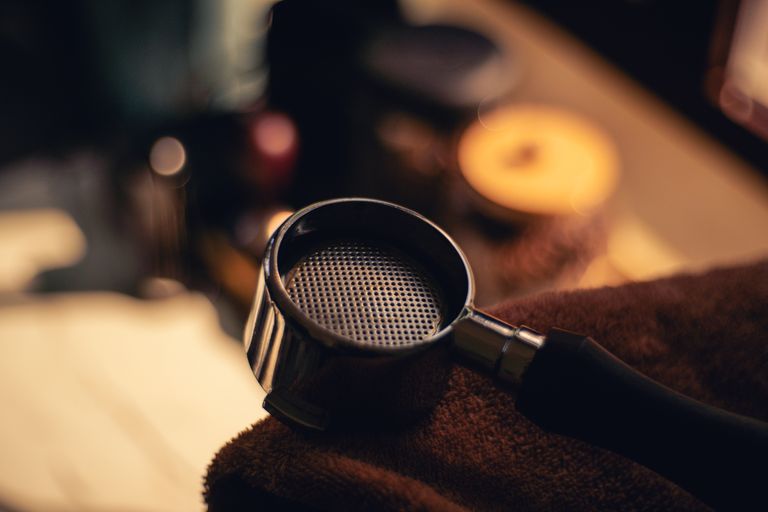
The stock pressurized basket on beginner machines artificially slows flow and fakes crema — your shot might time at 25 seconds but still taste thin and sour, because the puck itself offered no resistance. Real dial-in starts when you switch to the non-pressurized basket.
Fix 6: Face the grinder question honestly
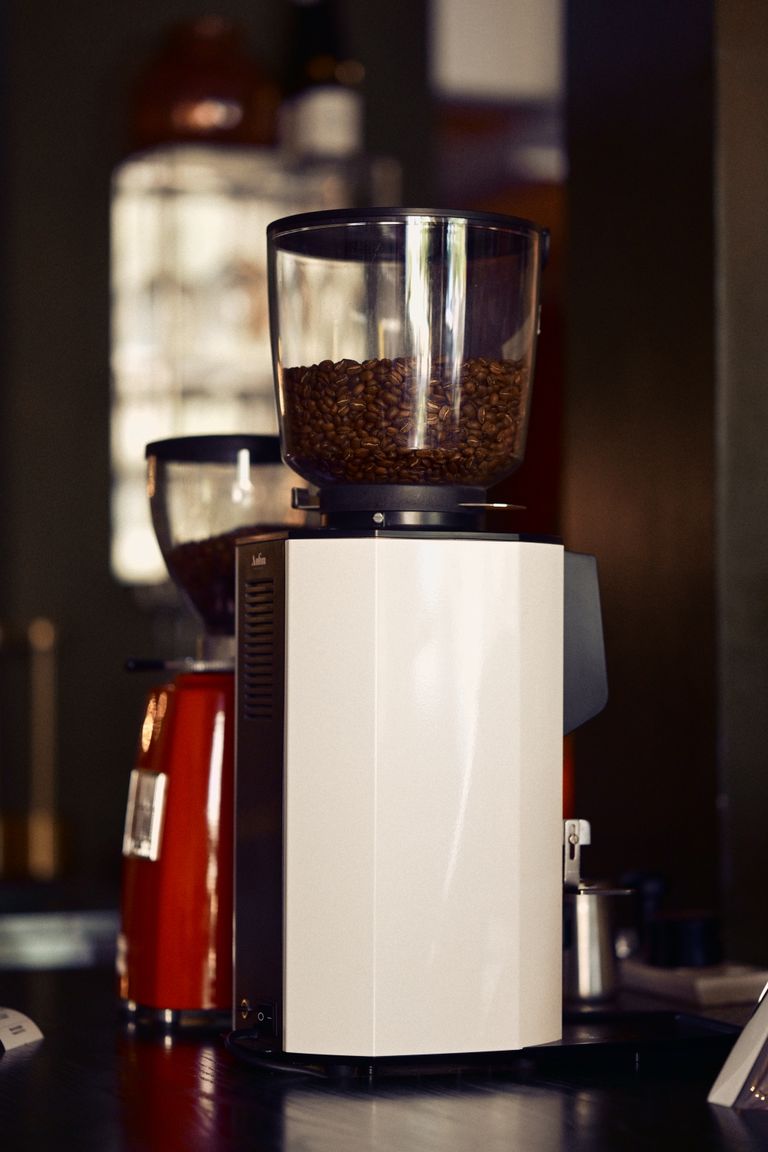
The most common root cause of fast shots: a grinder that can’t grind fine enough, uniformly enough, for espresso. Symptoms: at the finest setting shots still run under 20 seconds; finer settings just choke or produce dust-and-boulders; you’ve “fixed” it by overdosing, which made shots muddy.
No technique overcomes this. A dedicated espresso grinder is the fix, and it doesn’t have to be expensive: a 1Zpresso K-Ultra or Baratza Encore ESP will out-grind any built-in unit.
What NOT to do
- Don’t tamp harder. Tamping harder doesn’t meaningfully slow a fast shot — grind size does.
- Don’t blame the machine. Pump pressure is rarely the issue on a functioning machine.
- Don’t “fix” it with a longer ratio alone. Stretching to 1:3 on a 15-second shot just makes more under-extracted coffee. Slow the shot down first.
The 5-minute fast-shot checklist
- Grind 2–3 steps finer — retime the shot
- Confirm 18g dose (weighed, basket rated for it)
- WDT + level tamp
- Landing 25–30 sec? Taste — sweet and balanced?
- Still under 20 sec at finest grind? → grinder is the ceiling
How fast is too fast for espresso?
Under 20 seconds for a 1:2 ratio is too fast — sour and thin. 20–25 is drinkable but improvable. 25–30 is the target. Over 35–40 risks bitterness.
My shot is fast but tastes okay — should I care?
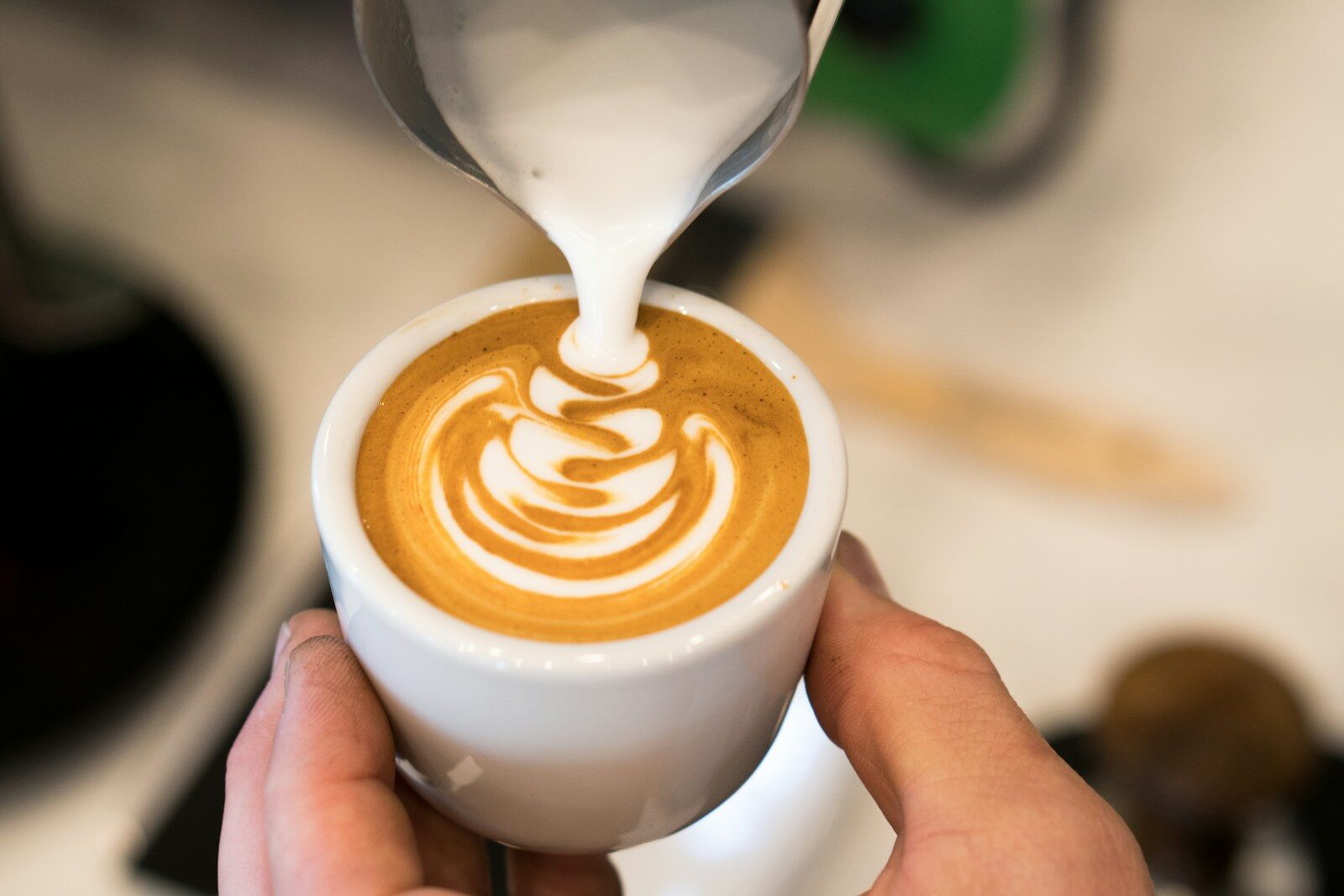
Taste beats timers. But “okay” usually becomes “great” with proper timing — and in milk drinks, a fast shot disappears entirely.
Can old beans cause fast shots?
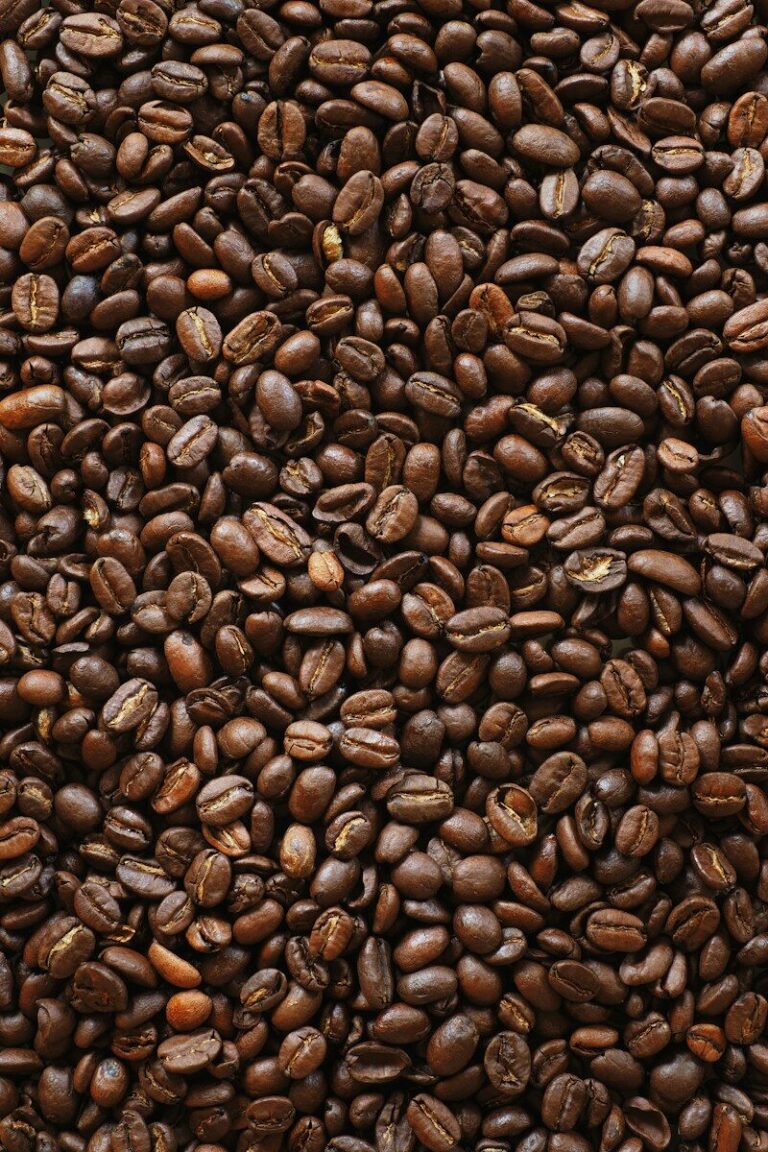
Very fresh beans (under 5 days off roast) degas CO2 rapidly, speeding flow. Stale beans (2+ months) also flow fast as their structure degrades. Sweet spot: 7–14 days off roast.
Does humidity affect shot time?
Yes. Humid air makes grounds clump and behave coarser; dry air makes them flow faster. If your dial-in drifts day to day, weather is a real factor.