What Is Crema — and Does It Actually Matter?
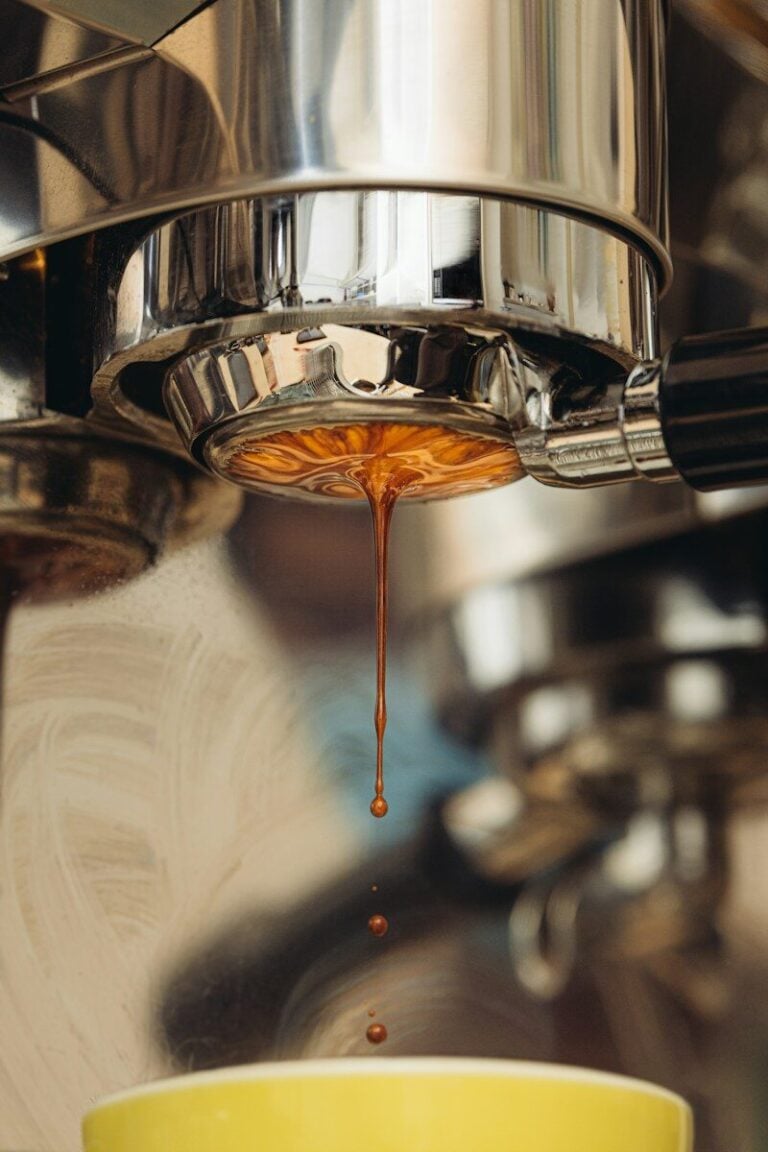
Every espresso photo shows it — golden-brown foam. Crema became shorthand for “good espresso,” but what is it, and how much should you care? Less than Instagram thinks.
What crema actually is
An emulsion: pressurized hot water forces CO2 out of fresh coffee; gas trapped with oils and fine solids whips into foam. Needs fresh coffee + pressure. That’s the recipe.
What crema tells you
The coffee is fresh (plenty of crema = actively degassing beans). That’s about it.
What crema does NOT tell you
Thick crema on a bad shot is a great paint job on a car with no engine. Sour/bitter/hollow shots can wear beautiful crema; great light-roast shots can look thin. Don’t judge espresso by foam.
Does crema taste good?
On its own — slightly bitter, ashy. Swirl it in; don’t overthink it.
How to get more crema
- Fresh beans (5–14 days off roast);
- medium-dark roast;
- a little Robusta (boosts foam, not flavor).
The pressurized-basket trap
Pressurized baskets manufacture mousse-like “crema” from anything — see our pressurized vs non-pressurized basket comparison. Impressive foam + thin taste = manufactured.
The bottom line
Treat crema like crust on bread: freshness cue, not the meal. Chase flavor.
Frequently asked questions
Why does my espresso have no crema?
Usually stale beans (#1), too-coarse grind, or low pressure — start with fresher coffee.
Is thick crema a sign of good espresso?
No — it’s a sign of fresh coffee and pressure, not quality.
Should I stir or skim crema?
Stir/swirl — personal preference.
Why do light roasts have less crema?
Yes, generally — light roasts produce less crema, and it says nothing about quality.